Showing posts with label FOOD. Show all posts

Thursday, 1 May 2025

MULTICULTURALISM & FOOD; Culture, Identity And Ethnocentrism PART1 (Complied by Charles O. Chukwubike)

When Food Brings People Together: The Magic of Multicultural Potlucks

Introduction

The table is set, the aroma fills the air, and the sound of laughter and chatter signifies more than just a meal; it's a multicultural gathering. Food has an uncanny ability to bring people together, crossing borders and transcending cultural barriers. In today's diverse society, multicultural potlucks serve as a melting pot where traditions, flavors, and stories coalesce. Let's delve into how these communal meals create a unifying cultural experience.

The Universal Language of Food

There’s a reason why food is often called the universal language. Whether you're in Tokyo enjoying sushi or in Istanbul savoring baklava, food serves as a gateway to a culture's heart. A multicultural potluck elevates this experience, allowing participants to sample a world tour of flavors in one meal.


More Than Just A Meal

Multicultural potlucks are not just about food; they're about storytelling. Each dish comes with its history, anecdotes, and symbolism. It serves as an opportunity for people to share their heritage, traditions, and even familial recipes that have been passed down through generations.

Inclusion at Its Best

Potlucks are an exercise in inclusion. When individuals bring dishes from their native countries, it fosters a sense of community and mutual respect. The act of sharing food signifies trust and acceptance, breaking down stereotypes and promoting understanding.

Learning Through Eating

Sampling various cuisines also serves as an educational experience. You learn about different cooking techniques, ingredient histories, and the unique ways each culture approaches flavors and textures. Whether it's the subtle intricacies of a French ratatouille or the robust flavors of Indian curry, each bite is a lesson in diversity.


How can food education promote cultural diversity and inclusivity?

Food education can play a significant role in promoting cultural diversity and inclusivity by fostering an appreciation for different culinary traditions, food practices, and cultural perspectives. Here’s how food education can achieve this:

  1. Cultural Food Exploration: Food education provides opportunities for children and young people to explore and learn about the diverse culinary traditions of various cultures. Students can study the history, ingredients, cooking techniques, and significance of traditional dishes from different ethnic backgrounds. This exposure encourages cultural appreciation and understanding, as students gain insights into the rich food heritage of various communities.
  2. Food and Cultural Identity: Food education helps children and young people recognise the deep connection between food and cultural identity. By exploring how food shapes cultural practices, celebrations, and traditions, students develop an understanding of the role of food in preserving and expressing cultural heritage. They learn to respect and value diverse food practices as an integral part of individual and collective identity.

  3. Inclusive Curriculum: Food education curricula should include a wide range of cultural perspectives and food traditions. Teachers can incorporate diverse examples, recipes, and stories from various cultures to ensure that all students feel represented and included. This inclusive approach helps students see their own culture reflected while appreciating and learning about other cultures.
  4. Community Involvement: Engage the local community, including parents, community leaders, and cultural organisations, to share their food traditions and experiences with students. Guest speakers, cooking demonstrations, or food-related events organised by community members can provide first hand knowledge and experiences, promoting cultural diversity and inclusivity within food education.
  5. Language and Terminology: Incorporate food-related vocabulary, names of dishes, and cooking terms from different cultures into food education lessons. Introducing and using diverse terminology helps familiarise students with various languages and cultures, promoting linguistic diversity and inclusivity.
  6. Food Exchanges: Organise food exchanges where students can share dishes from their own cultural backgrounds. This allows students to experience the diversity of flavours, ingredients, and cooking techniques first hand, fostering cross-cultural appreciation and understanding.
  7. Storytelling and Oral Traditions: Encourage students to share personal stories or family traditions related to food and cultural practices. This can be done through oral presentations, written assignments, or classroom discussions. Students gain insights into each other’s cultural backgrounds, promoting empathy, respect, and a sense of belonging within the diverse classroom community.
  8. Food Sustainability and Global Perspectives: Incorporate discussions about sustainable food practices, the impact of food choices on the environment, and global food systems. Highlight the interconnectedness of food production, distribution, and consumption on a global scale. Students can explore the cultural, social, and environmental dimensions of food systems, fostering a sense of global citizenship and an understanding of the need for inclusive and sustainable food practices.
  9. Addressing Food Inequities: Food education should address food inequities and disparities within different cultures and communities. It should explore topics such as food access, food justice, and the impact of social and economic factors on food security. By raising awareness of these issues, students develop a sense of empathy and engage in discussions about promoting equal access to nutritious food for all individuals and communities.
  10. Respectful Cross-Cultural Engagement: Food education should emphasise respect, appreciation, and sensitivity when learning about different food traditions and cultural practices. Teachers can guide discussions that promote understanding, challenge stereotypes, and encourage open-mindedness. This approach helps students develop cultural competency and become respectful global citizens.


AN OVERVIEW

Food is a powerful vehicle for exploring and understanding multiculturalism, offering insights into cultural practices, identities, and global connections. By examining food traditions, ingredients, and culinary techniques across cultures, individuals can gain a deeper appreciation for the diversity of human experience.

Here's how food intersects with multiculturalism:

1. Food as a Cultural Expression:

Food is more than just sustenance; it's a fundamental part of cultural identity, traditions, and family history. 

Specific dishes, cooking methods, and ingredients often hold symbolic meaning within a culture, reflecting its values and beliefs. 

Food traditions can be passed down through generations, serving as a tangible link to heritage and cultural identity. 

2. Food and Identity:

Food choices can reflect and reinforce an individual's cultural identity, especially in multicultural societies. 

People may draw upon their food heritage to maintain a sense of belonging and connection to their roots. 

Food can be a way for individuals to express their cultural identity in new environments and communities. 

3. Food as a Bridge:

Food can be a powerful tool for intercultural understanding and communication. 

Sharing meals and dishes from different cultures can foster a sense of connection and empathy. 

Food events and culinary explorations can provide opportunities for people to learn about and appreciate diverse culinary traditions. 

4. Food and Global Connections:

The globalization of food and cuisine has brought about increased access to diverse flavors and ingredients. 

International travel and migration have further fueled the exchange and adoption of culinary traditions across borders. 

Multiculturalism has led to the rise of fusion cuisine, where different culinary styles and ingredients are combined to create new and exciting dishes. 

5. Food and Social Change:

Food can be a powerful tool for social activism and advocacy, particularly in issues related to food security, sustainable agriculture, and equitable access to food.

By promoting food diversity and inclusivity, we can create more equitable and just food systems that benefit all communities. 

6. Examples of Multicultural Food:

British Cuisine:

Chicken tikka masala, a popular dish with Indian influences, is a testament to the impact of multiculturalism on British cuisine. 

Global Fusion:

Many restaurants and chefs around the world are experimenting with fusion cuisine, blending flavors and ingredients from different cultures. 

Food Festivals:

Events celebrating multicultural cuisine offer opportunities to sample diverse dishes and learn about different culinary traditions. 

7. Challenges and Considerations:

Cultural Appropriation:

It's important to be mindful of cultural appropriation, which can involve adopting aspects of a culture without understanding or respecting its origins. 

Exotification:

Some food events can inadvertently lead to the exotification of minority cultures, presenting them as curiosities for the majority culture to consume. 

Inclusivity:

Food education should strive to be inclusive, ensuring that a wide range of cultural perspectives and food traditions are represented. 

source   

Compiled by Charles O Chukwubike

Tuesday, 17 December 2024

HOW TO GROW ONIONS (Adapted by Charles O Chukwubike for NOL-U)


Onions (Allium cepa) are a veg-plot favourite – one of the easiest crops to grow, taking up relatively little space and giving reliable harvests that can be used in all kinds of dishes. The crop can be stored too, rather than having to be used straight away, so you won’t find yourself overwhelmed by a sudden onion glut.

Onions are usually grown from small bulbs called sets, planted outdoors in autumn or spring. These grow quickly and reliably, with minimal maintenance. They can also be grown from seed, although this takes a little more time and care.

Onions like a warm, sunny spot in well-drained soil, with watering in dry spells and regular weeding. Onions can also be grown in large containers. Harvest the crop in summer or early autumn, then either use straight away or store them for whenever needed over the following months.....

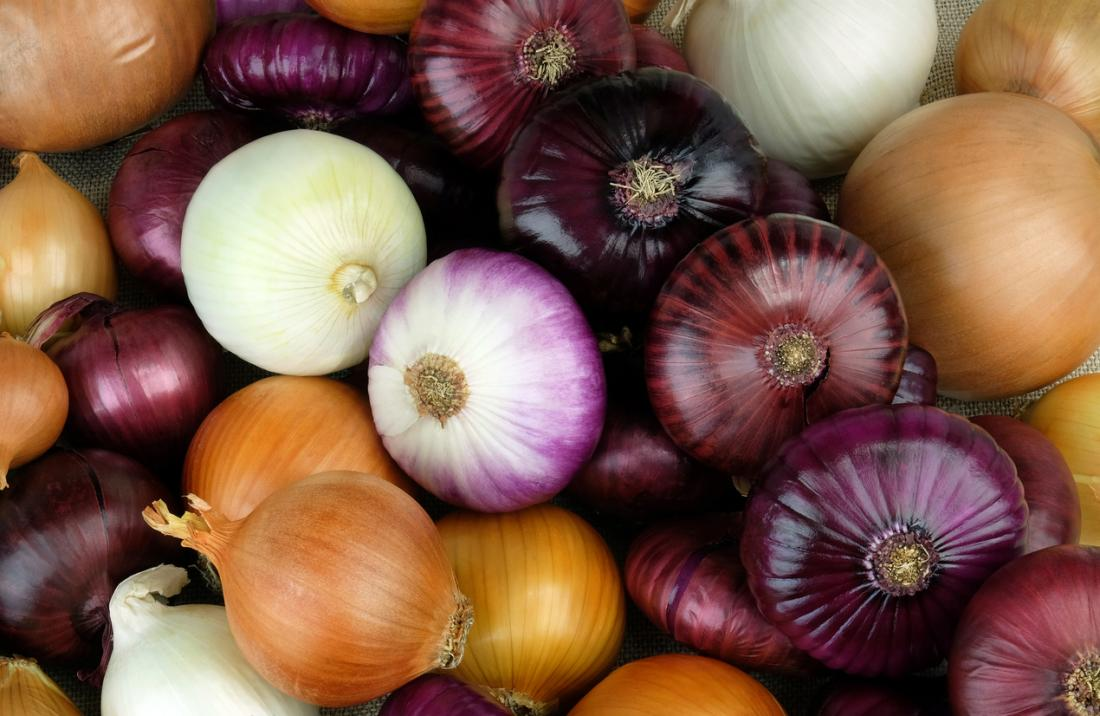
There many varieties to choose from, producing yellow, white or red onions, some spicy and tangy, others mild and sweet. Varieties mature at different times from early summer to early autumn. Some store particularly well, or are resistant to disease or bolting. 


Onions are usually grown from sets (immature bulbs) – this is the easiest and fastest way to grow them, and will produce an earlier crop. Plants grown from sets are also less likely to be affected by disease. However, they are more prone to bolting (when a flower is produced instead of a bulb), so choose heat-treated sets to reduce the risk. A few varieties are available for autumn planting and can be harvested a month or two ahead of spring-planted sets and most seed-raised plants. Onion sets are often sold in quite large packs, but if you don’t plant them all, they can’t be kept for planting the following year.

Seeds are usually cheaper to buy, more widely available, and with a greater choice of varieties. But the seedlings need to be looked after more carefully and the seeds don’t usually store well, so germination rates may decline if you keep the seeds from year to year.

Preparing the Ground

Choose a sunny planting site, with free-draining soil, and weed thoroughly. Onions have a limited root system, so improving the soil with lots of organic matter before planting is invaluable – dig in a bucket of garden compost or well-rotted manure per square metre/yard. This will add nutrients, improve the soil structure and hold moisture in the soil. Avoid using fresh manure.

You can also apply a high potassium general fertiliser, such as Vitax Q4, at a rate of one handful per square metre/yard.

Sowing

Although usually grown from sets, onions can be grown from seed, sown either indoors or outside, usually in mid- to late winter. To ensure a good crop, the resulting plants must be growing strongly by late spring, as the lengthening days trigger the formation of bulbs – the more leaves that plants have at this time, the better the bulb will be. A few overwintering varieties are available as seed, such as ‘Toughball’, which should be sown indoors in late summer.

Sowing indoors

Most onion seeds should be sown in mid- to late winter, although overwintering or Japanese varieties are occasionally available as seed for sowing in late summer.

Sow into modular trays filled with peat-free seed compost. Although one plant per module is effective, growing three to four per module saves space, although the resulting bulbs may be smaller. Sow two seeds per module for the first option, five or six for the second (then thin out the seedlings later if necessary). Place the tray in a heated propagator or on a warm sunny windowsill, at 10–16°C (50–60°F). Seedlings should appear within a couple of weeks. Remove from the propagator, place in bright light and keep the compost moist.

Harden off indoor-sown plants in spring (or early autumn for overwintering onions), before planting into prepared ground. Space plants 5–10cm (2–4in) apart, in rows 25–30cm (10–12in) apart. Don’t split up multi-seeded modules into individual plants – just plant them as they are, to form a clump of onion bulbs.

Onions don’t do well in acid soil (below pH 6.5), so if necessary reduce acidity by adding lime in autumn or winter.

Sowing outdoors

You can sow onions outdoors from late winter until mid-spring, once your soil is drying out and beginning to warm up. Sow seeds 1.3cm (½in) deep, in rows 20cm (8in) apart. Thin out the seedlings first to 5cm (2in) apart, and later to 10cm (4in). Closer spacing will result in more bulbs and a larger overall crop, but smaller individual bulbs.

Planting

Sets are usually planted in spring, from mid-March to mid-April. There are also a few varieties for autumn planting, often sold as overwintering or Japanese onions – these are less sensitive to cold, which would otherwise cause bolting. Autumn planting is not suitable in heavy soils prone to waterlogging, as the sets are likely to rot. But they can be planted on modules indoors instead, then transplanted outdoors in spring, which still gives them a head-start.


Planting outdoors

Plant sets 2cm (¾in) deep in drills or gently push them into loose soil, so the tip is just showing at the surface. Space them 5–10cm (2–4in) apart, in rows 25–30cm (10–12in) apart. Firm the soil around them and water well. Birds will often peck newly planted sets out of the ground, so cover with fleece until they’ve rooted in.

Another planting option is to cover the ground with black weed-suppressing membrane, then plant the sets through slits. There is then no need for weeding, which both saves time and avoids accidental damage to the bulbs when hoeing.
Onions can also be grown in large containers if you don’t have space in the ground or your soil is too damp. Use peat-free soil-based compost and a container that’s at least 45cm (18in) wide and deep. Plant the sets as described above.

Planting indoors

If your soil is very wet and cold, you can plant onion sets indoors, then transplant outside once the soil conditions improve. Use modular trays filled with peat-free multi-purpose compost and plant one set per module. Keep in an unheated greenhouse or on a sunny windowsill.

Plant CWatering

Water during any prolonged dry spells every 14 days, but stop watering once the bulbs have swollen in mid-summer. Watering spring-planted crops after mid-summer can mean they store less successfully. Try to avoid overhead watering, as this can encourage fungal diseases.

Feeding

In late winter, give autumn-planted onions a nitrogen-rich fertiliser, such as sulphate of ammonia, at a rate of 35g (1oz) per square metre/yard. This not only boosts growth but can also suppress premature flowering. Alternatively, use dry poultry manure. Also give an occasional feed with a general liquid fertiliser, from spring to mid-summer.

Weeding

Onions don’t grow well if competing with other plants, so weed between them regularly. Take care not to damage the bulbs or foliage if using a hoe – ideally, weed by hand. As onion foliage casts little shade, weeds grow readily and can soon swamp the crop, which would reduce the plants’ growth and subsequent bulb size.

Removing flowers

Remove any flower stems as soon as they start to form, otherwise the plant’s energy will go into producing the flower rather than swelling the bulb. It also means the bulb won’t store well.

Harvesting

Autumn-planted sets are ready to harvest by early to mid-summer, while spring-planted sets and seed-raised onions are ready from late summer to early autumn.

Although it’s sometimes suggested to bend over the foliage or gently lift the bulbs to break the roots, this is no longer recommended. Yellowing and toppling of the foliage is a sign that the crop is reaching maturity. Harvest before the foliage dies down completely. Carefully lift the bulbs with a fork, taking care not to damage or bruise them, as this could cause them to rot in storage. Use any damaged onions straight away.

Storing

Dry your onions for about two weeks before storing – place them in full sun outdoors on wire racks, or similar, so air can circulate beneath them. Alternatively, if the weather is damp, dry them in a sunny greenhouse or well-ventilated shed.

Once all the foliage is papery and dry, put the onions in net bags or trays in a single layer, or tie them into plaits and hang up. Keep them in a light, cool, dry and well-ventilated place – don’t store in the dark, as this encourages sprouting.

Autumn-planted onions will store until early winter. Spring-planted or seed-raised onions can last until well into the following spring.

Problems

Onions are relatively trouble free, although they can be affected by several fungal diseases, especially in damp growing conditions or if poorly stored. Flowering (bolting), caused by low temperatures in spring, means bulbs won’t store well. Birds also tend to pull up newly planted onion sets, so cover them with fleece until rooted in.

 source   (COPIED AND ADAPTED BY CHARLES O CHUKWUBIKE)